It’s Sunday, and it’s time for another “picdump!” Here are the memes, pictures, and cartoons floating
around the internet that I found interesting or relevant this week. Share and enjoy!

































































































































































































































































It’s Sunday, and it’s time for another “picdump!” Here are the memes, pictures, and cartoons floating
around the internet that I found interesting or relevant this week. Share and enjoy!
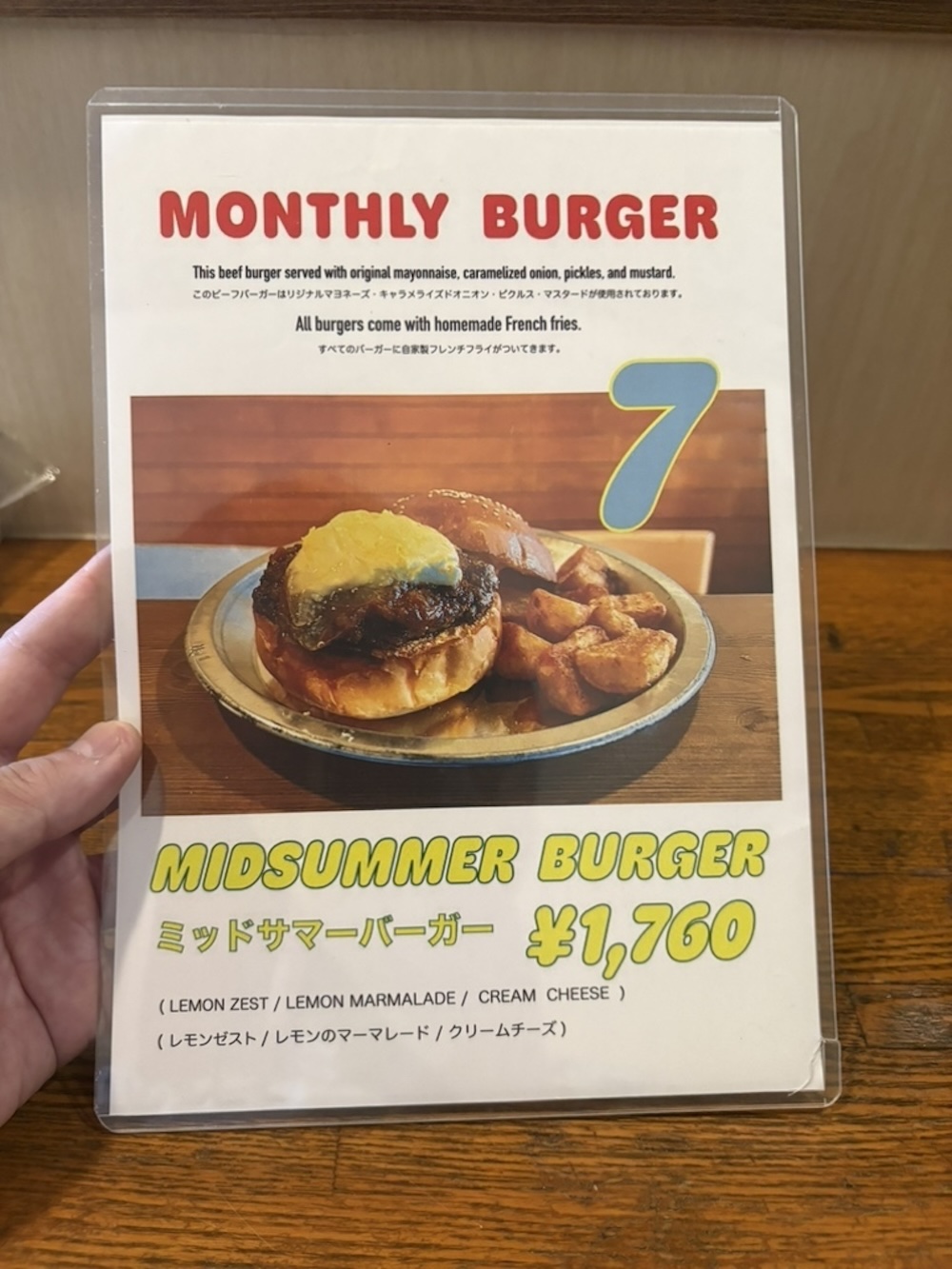
 I’m heading to Japan soon, and while researching places to go near Gotokuji, the temple that gave the world the maneki neko (the lucky beckoning cat), I found out about a burger place called Easy.
I may have to check it out, considering their creations include the “Midsummer Burger,” which is topped with:
At that point, the thought that came to mind is “Your ideas are intriguing to me and I wish to subscribe to your newsletter.”
They also have a pineapple mozzarella burger…
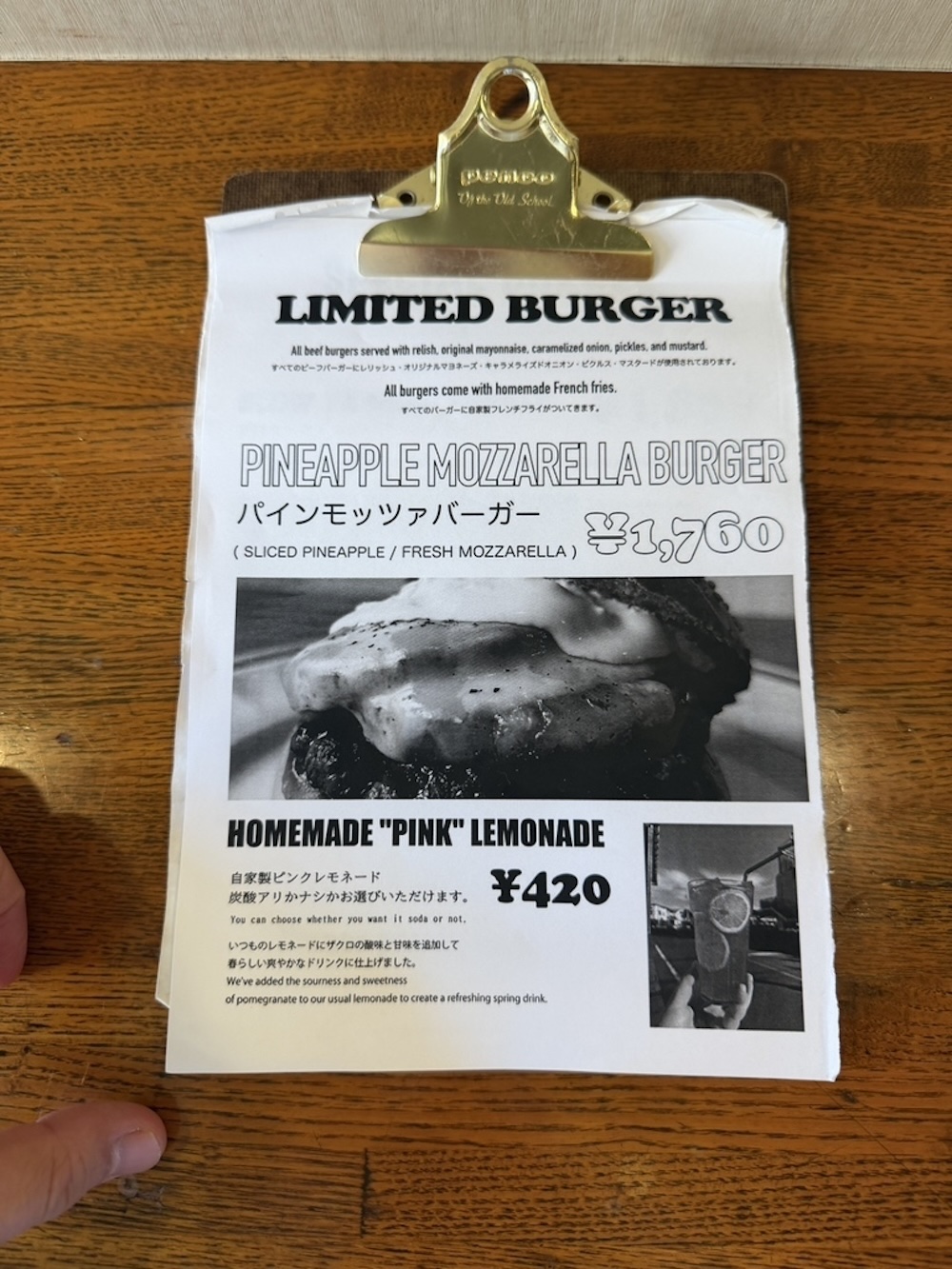
…a maple fried butter chicken sandwich… …and the “Blow Ya Mind Burger”…
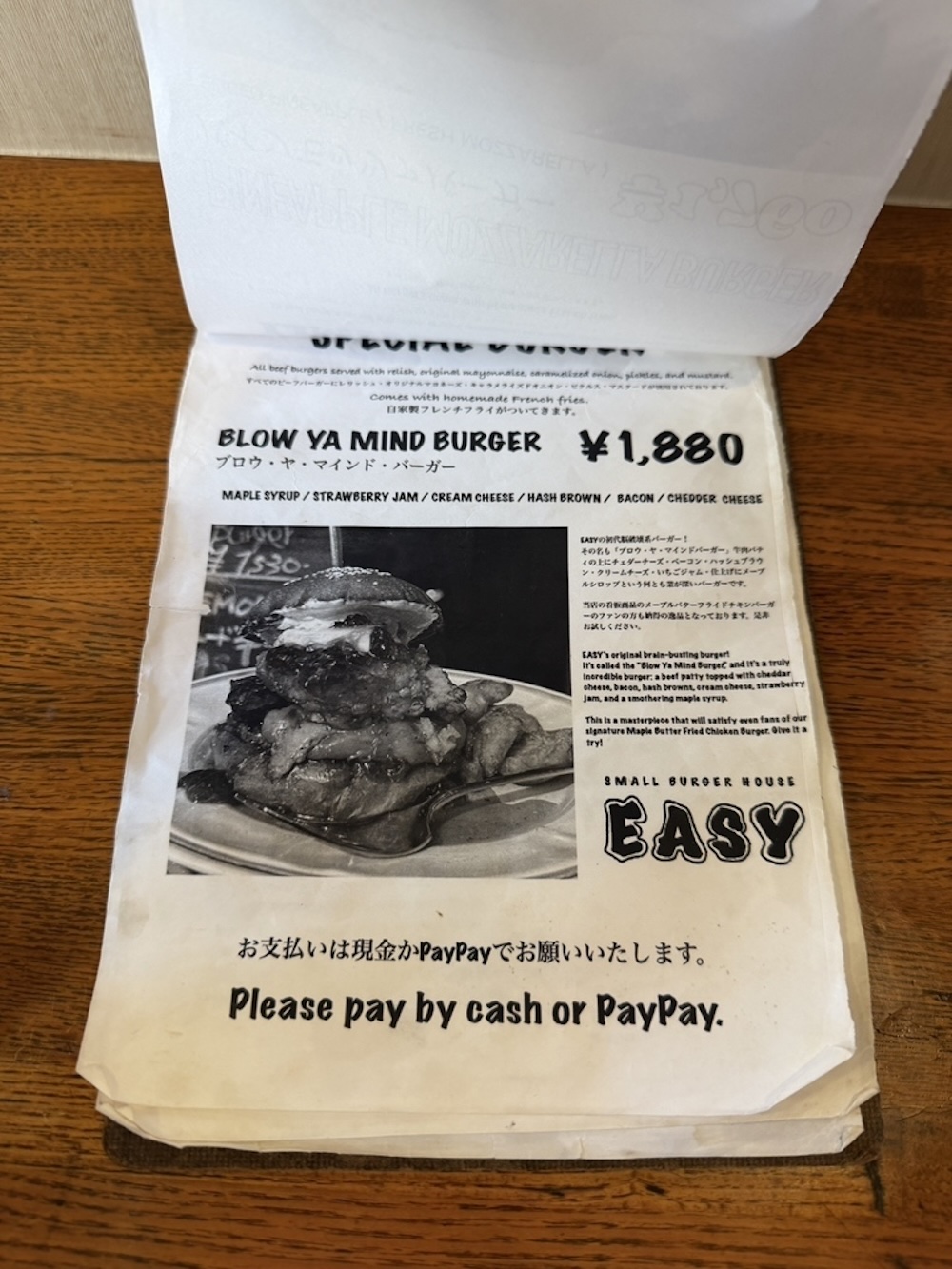 …whose toppings are:
For the curious, here’s Easy’s page on Japan’s restaurant site, Tabelog, which is like a mishmash of OpenTable and Yelp.

It’s Sunday, and it’s time for another “picdump!” Here are the memes, pictures, and cartoons floating
around the internet that I found interesting or relevant this week. Share and enjoy!











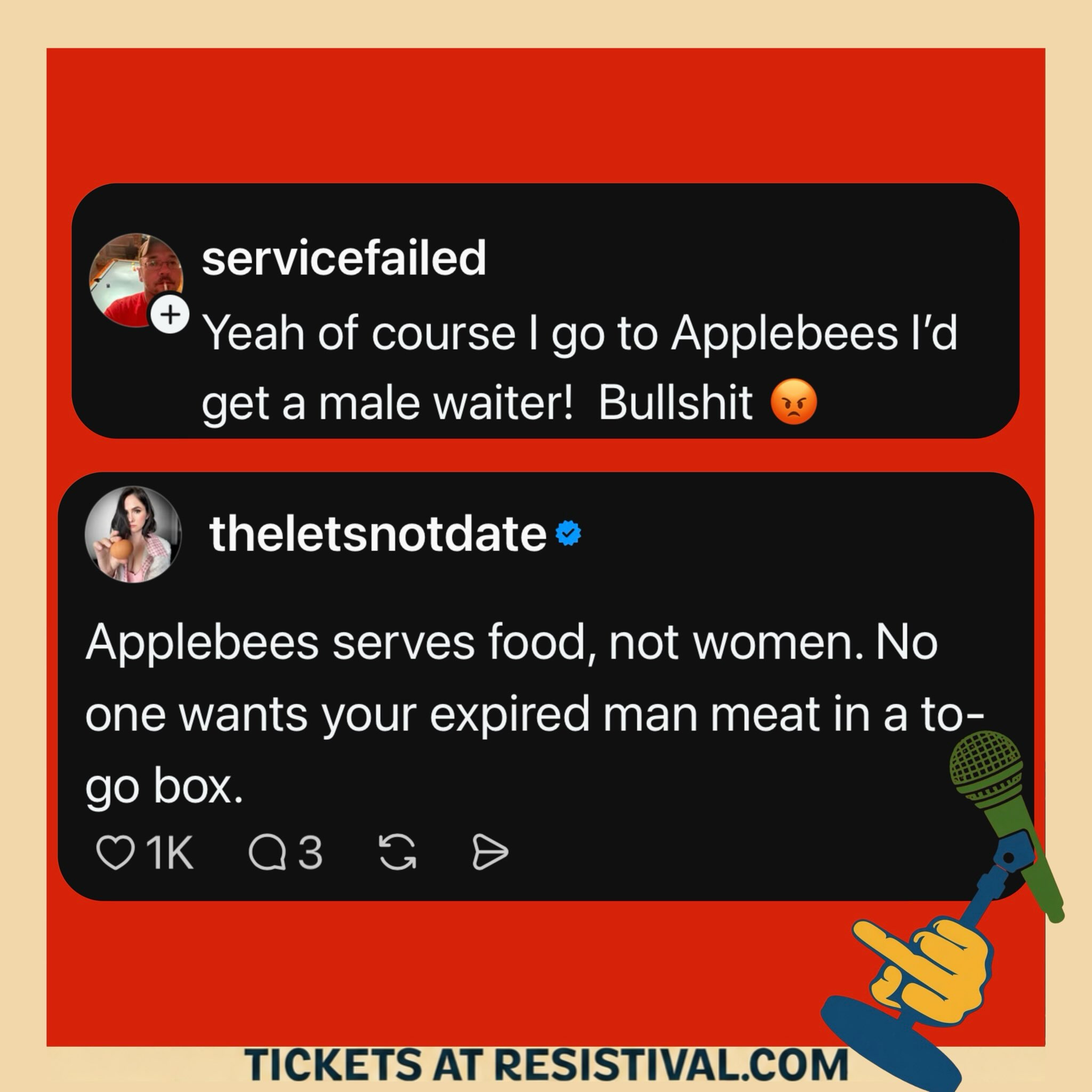




















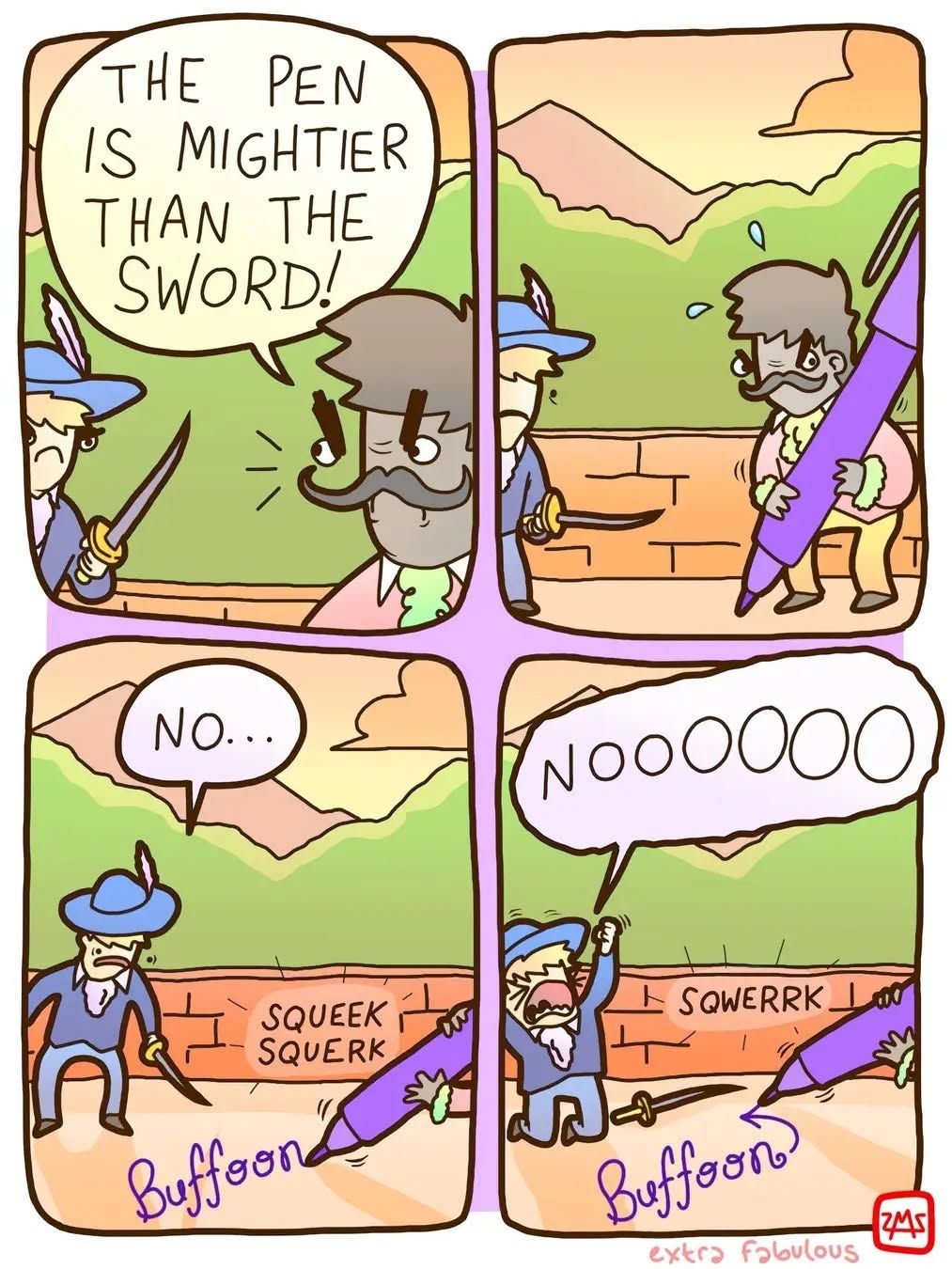






















































































































































































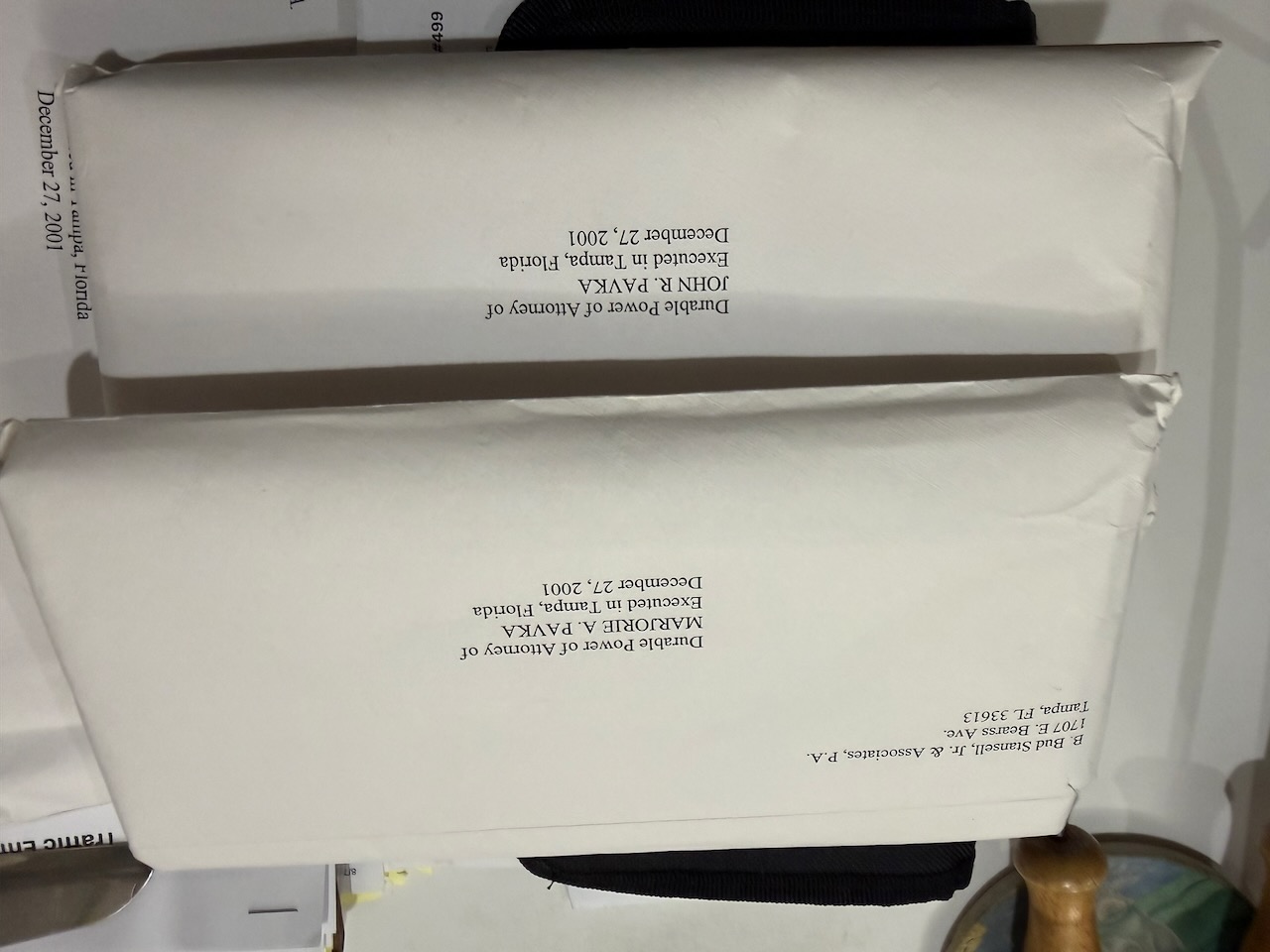
























































































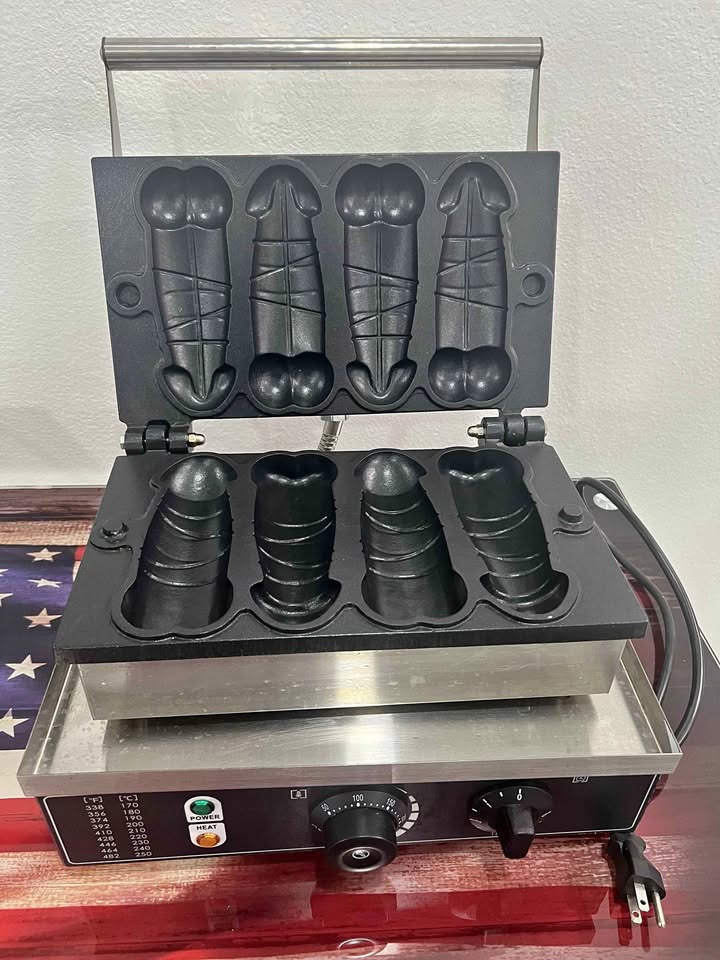
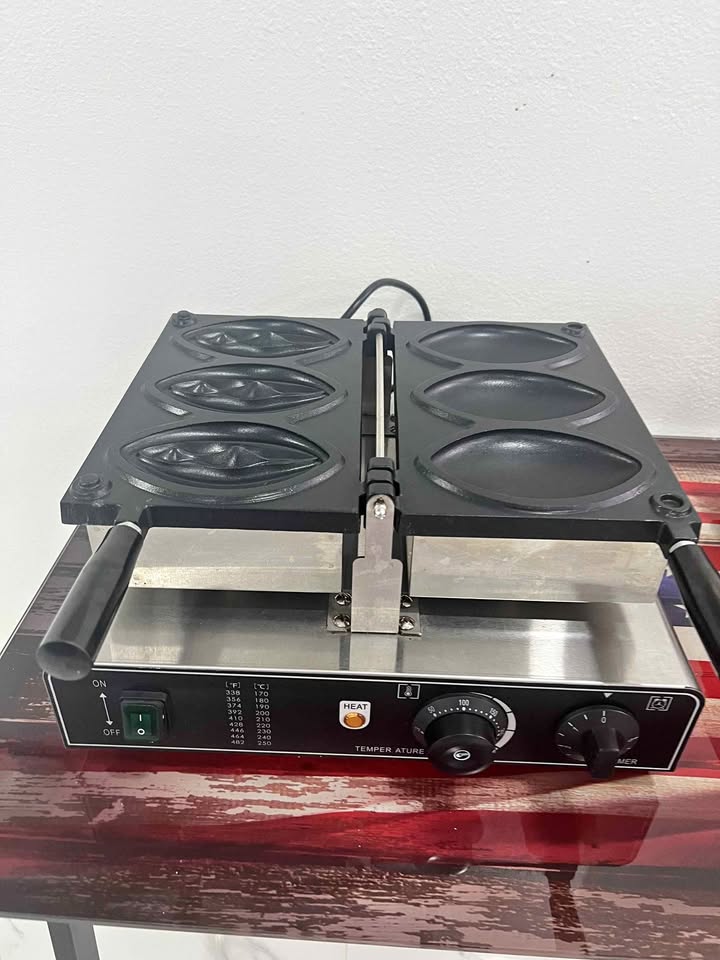
If you’re looking to get into the erotic waffle business on a limited budget, there’s a seller in Tampa who has what you need!
Each press sells for $150. Links to their Facebook Marketplace pages are below:
Some men may require instructions on how to consume the female waffle. A strategically-placed Hershey’s Kiss™ might help.

Whoo-hoo! We managed to get a reservation to visit Yamaha’s Innovation Road museum in Hamamatsu, Japan!

Innovation Road is Yamaha’s interactive museum, packed with instruments that the legendary company has made over the past 130+ years. And yes, you’re allowed to play them, because the museum is meant to be a hands-on experience.

I hoping to at least see, if not play, the Yamaha DX1 (pictured above), a synth of which only 140 were ever made, and one that I’ve never seen in real life. For any synth players out there, it’s basically two DX7s in a single keyboard, and with much better displays. In 1983, it retailed for $13,000 (alomst $44,000 in today’s money):
Here are a few tunes you’ve probably heard that feature the DX1…
I happen to be the owner of a couple of vintage Yamaha keyboards — and they’re hard-to-find ones, too! One of them is the DJX, released in 1998, and the other is the DJX 2, released in 2000. The ones pictured below are mine…
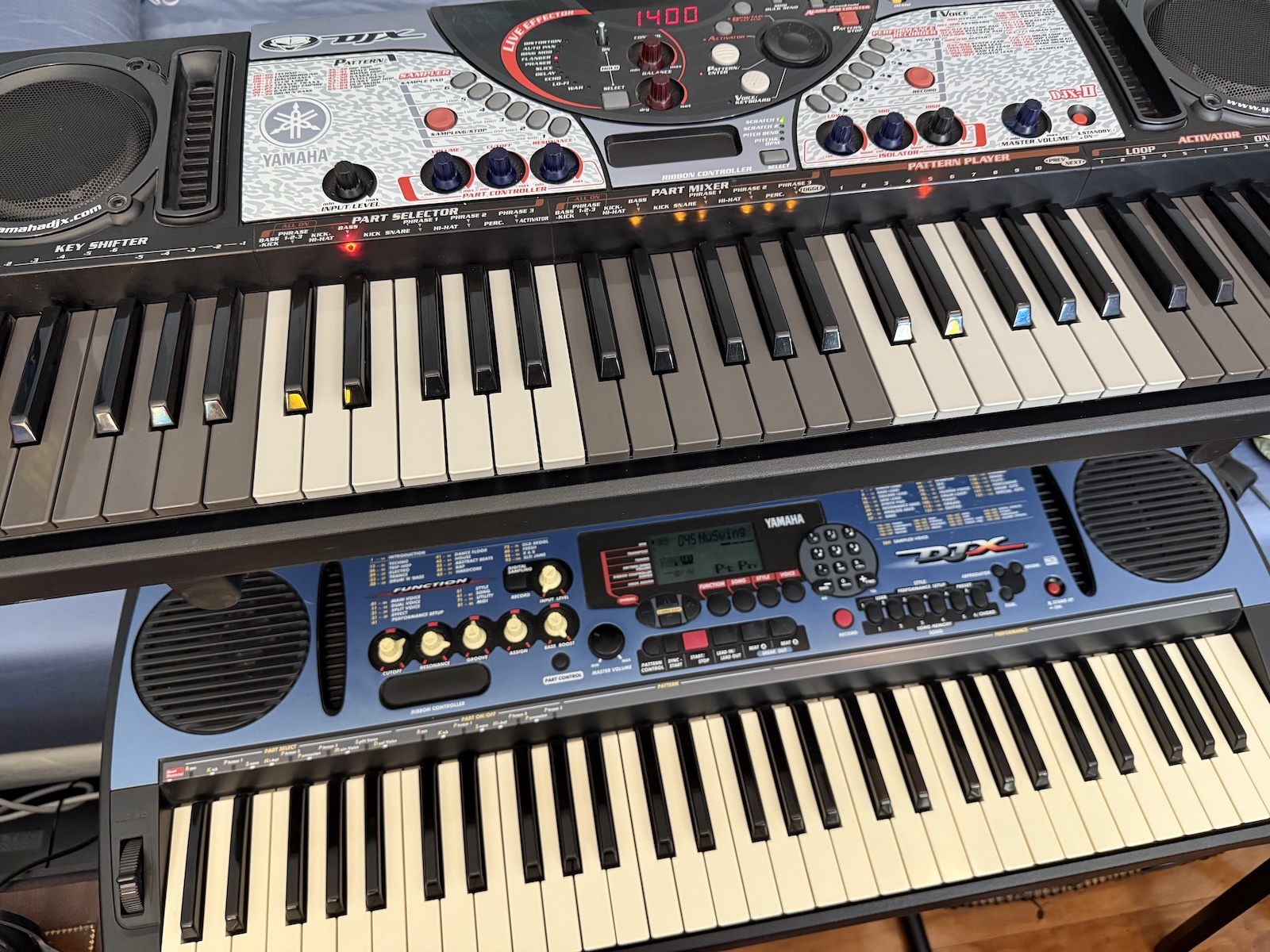
Here’s a little bit of noodling I did on the DJX:
…and here’s a quick thing I put together on the DJX 2:
In addition to their famous synths, it’s also home to a lot of pianos…

…guitars…
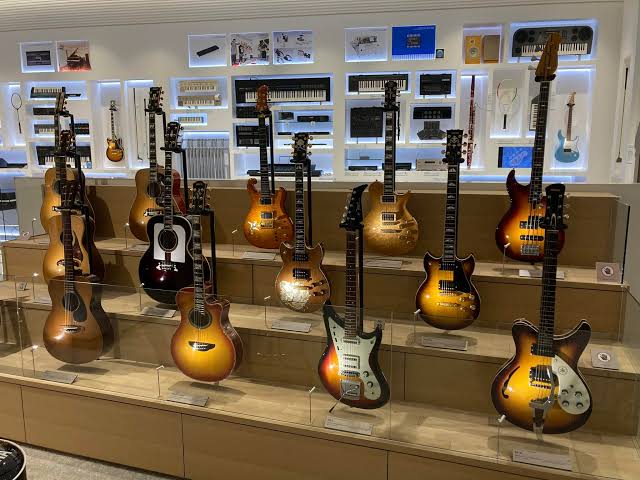
…and all sorts of instruments because in the music world, Yamaha seems to make everything:
 Here’s a tour from 6 years ago:
…and here’s a short video from a month ago:
And oddly enough, admission to Innovation Road is free! You just have to reserve one of the 150 spots they make available every day from Tuesday to Saturday.
I’m looking forward to this one!

It’s Sunday, and it’s time for another “picdump,” but this is no ordinary picdump. This one is made of a record-breaking 750 videos, memes, pictures, and cartoons floating around the internet that I found interesting or relevant this week, which includes a lot of Jack Smith / Eric Shmitt stuff. Read, and share these far and wide!
How many kids did DOGE kill? Elon says “zero”, but he has this “tell” that gives him away when he lies: words come out of his mouth.
Adam Conover gets people who are good at math to do the math, and the number isn’t zero, or in the tens, hundreds, thousands, or even hundreds of thousands. It’s higher.


Want to know more? The Banker, a part of the Financial Times network has this story.








I also subscribe to the Barry’s Economics YouTube channel, and this piece of his on your own influence ripples out farther than you might think:





















































If you’re looking for something to watch in a theatre, go and catch Forgotten Island, which was woefully under-promoted by DreamWorks, and is actually quite good!
Here’s an explainer of the Filipino culture and mythology in the film:


















































This one’s given me a lot to ponder, seeing as I’m both a software developer heavily immersed in the AI world and a musician:






















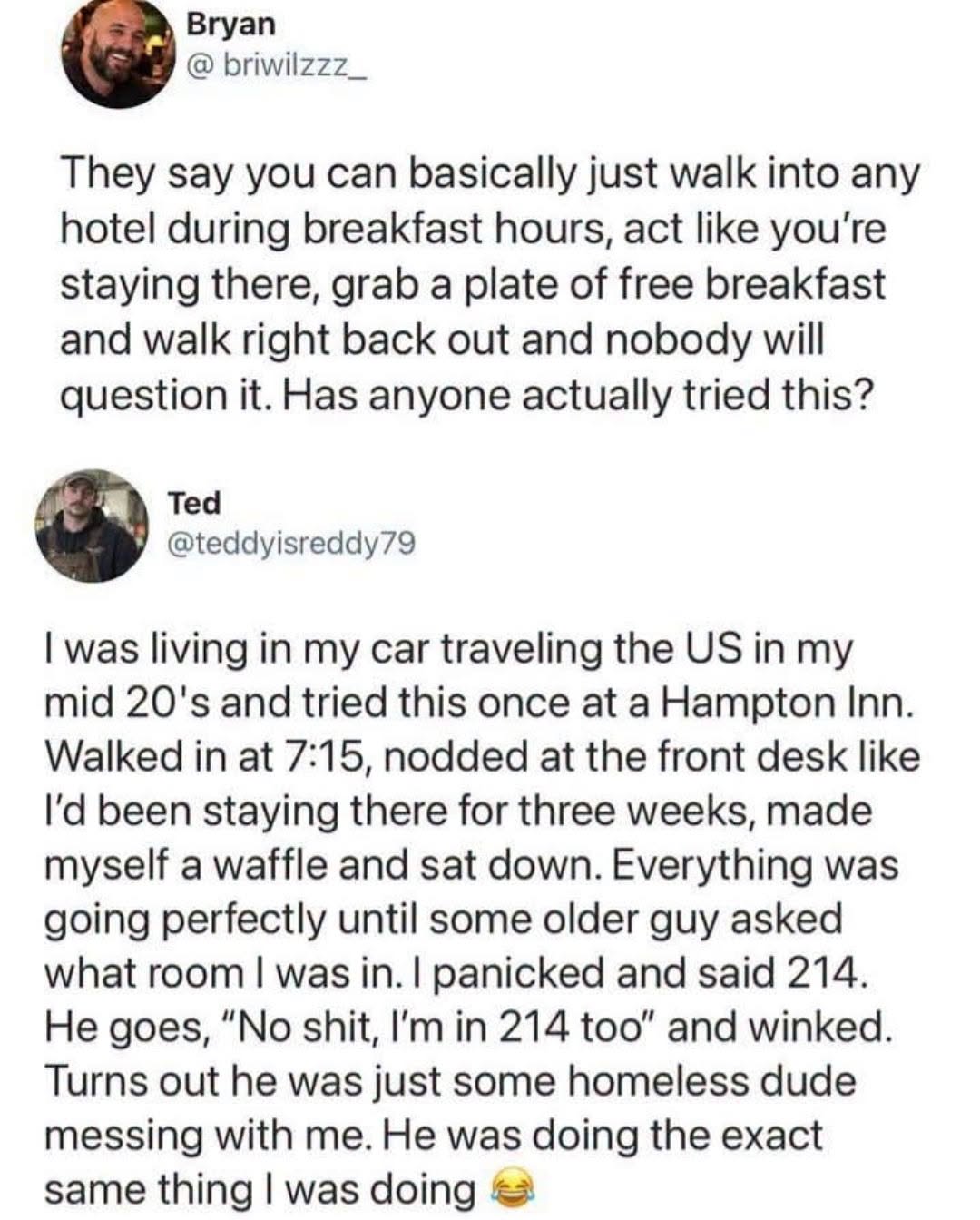
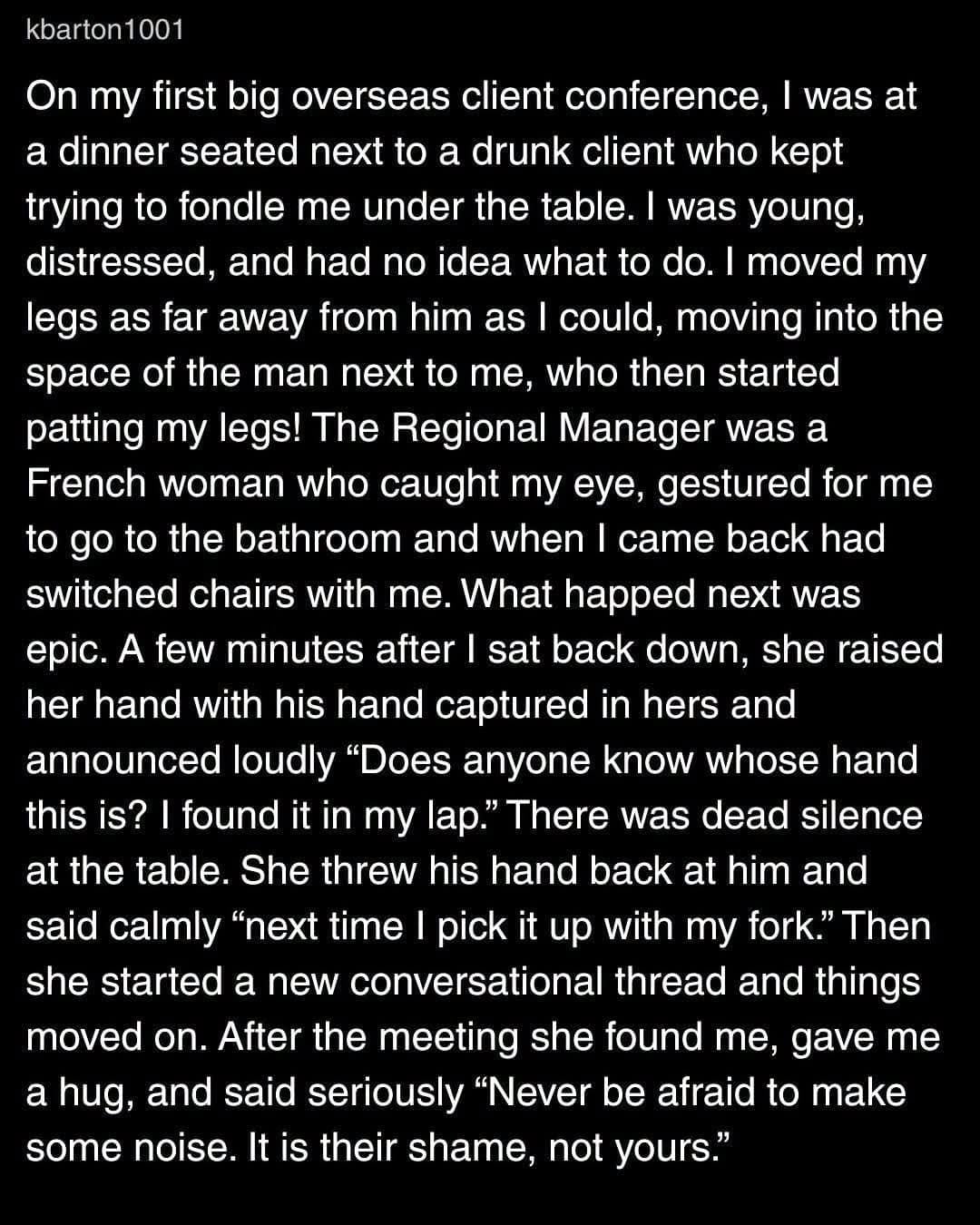



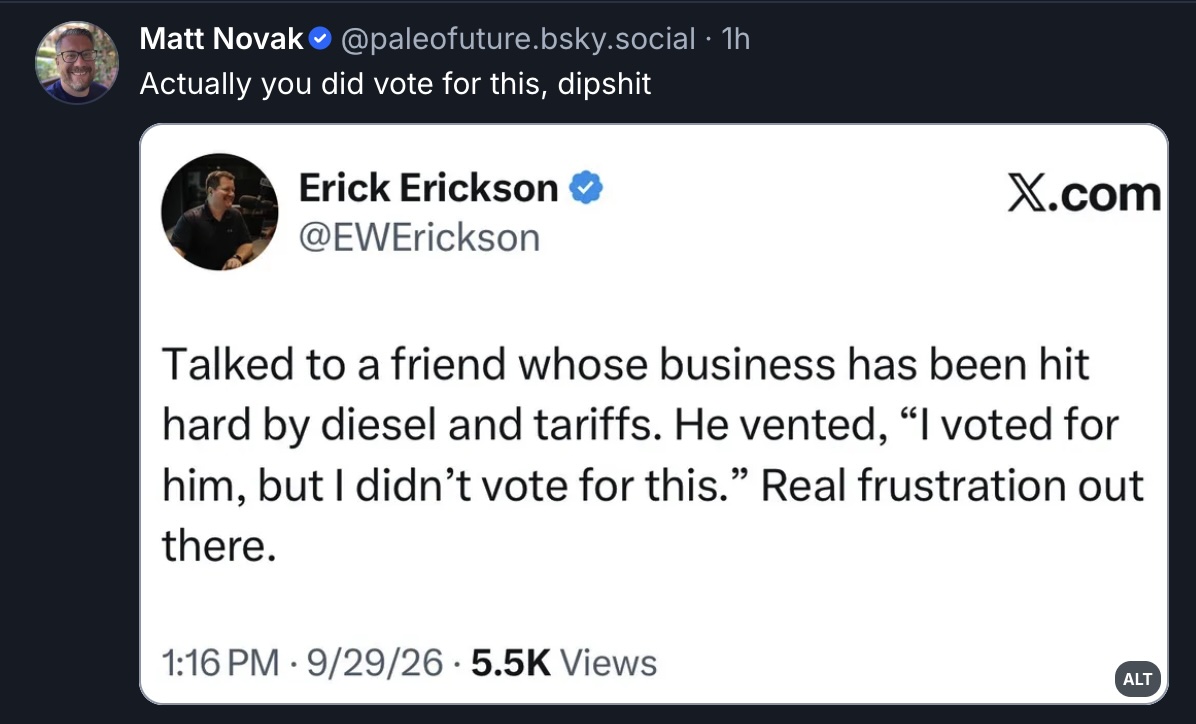
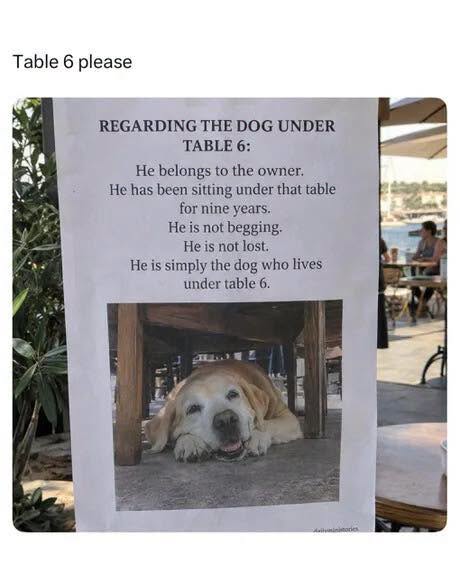












 Hogwarts meets hog warts.

























Canada still wants America as a friend, unreliable as it is. But tell me: have you had a friend like that? I have, and I now keep them at arm’s length and take a more pragmatic, almost Macchiavellian approach with such fair-weather friends:











































































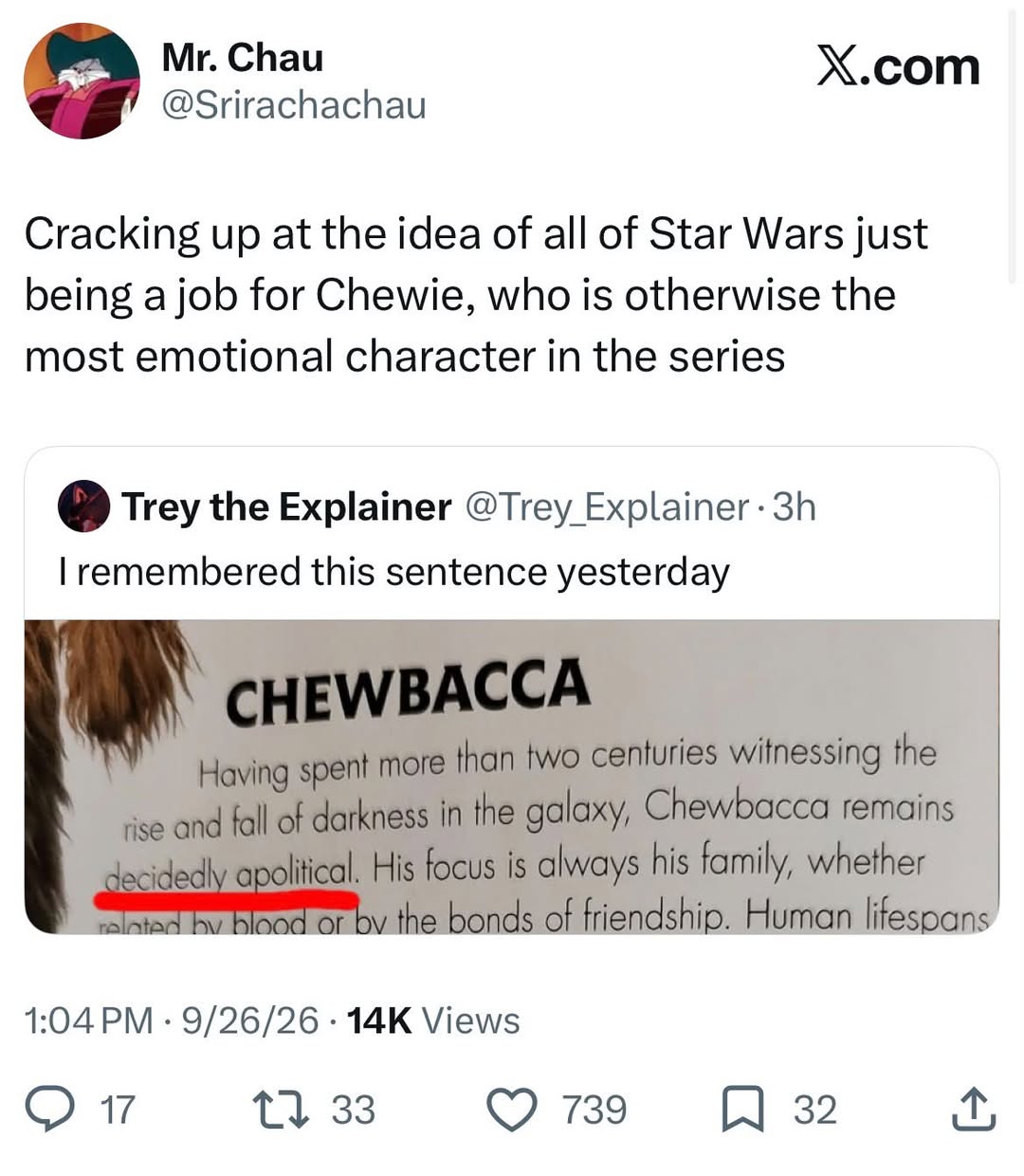














































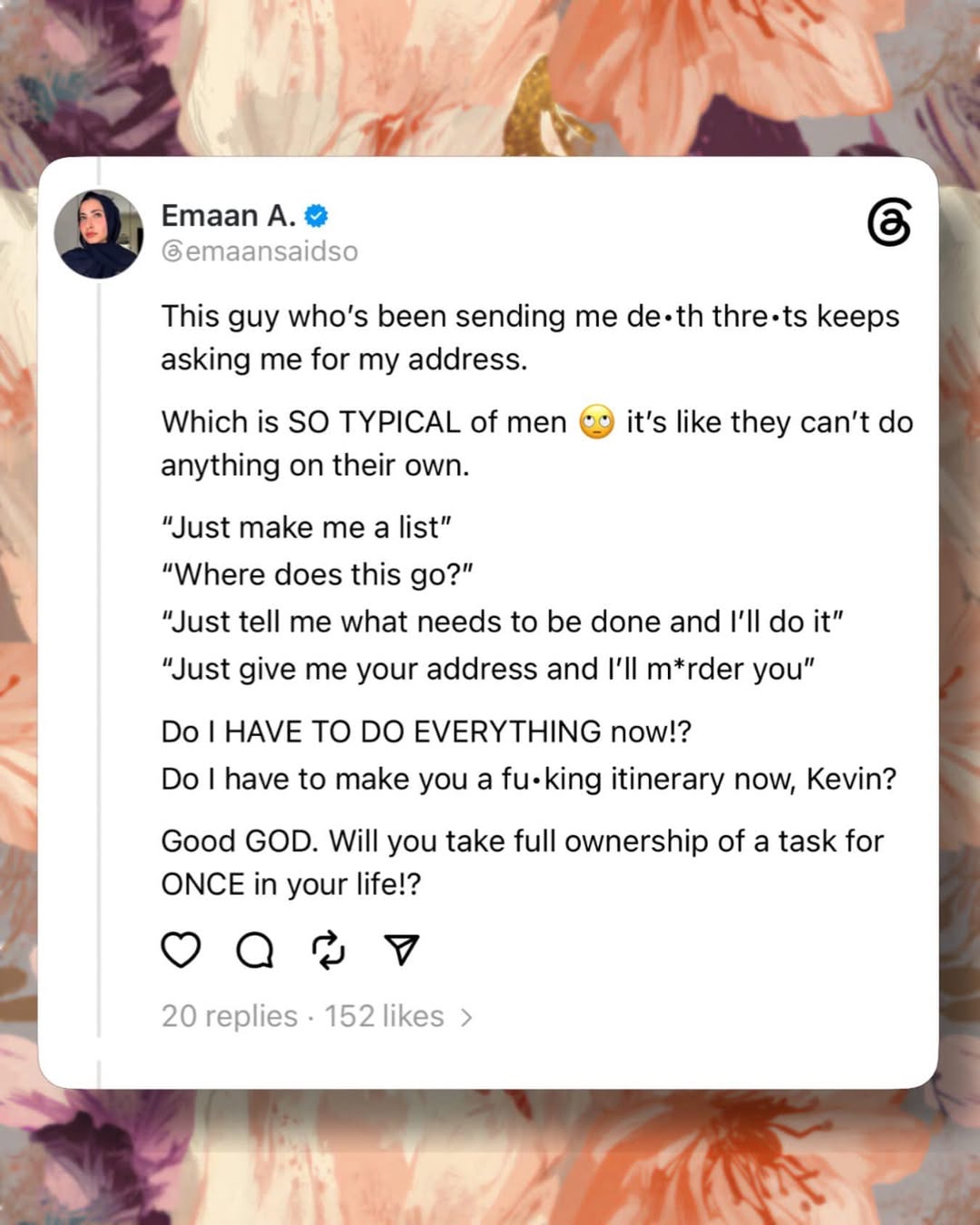


















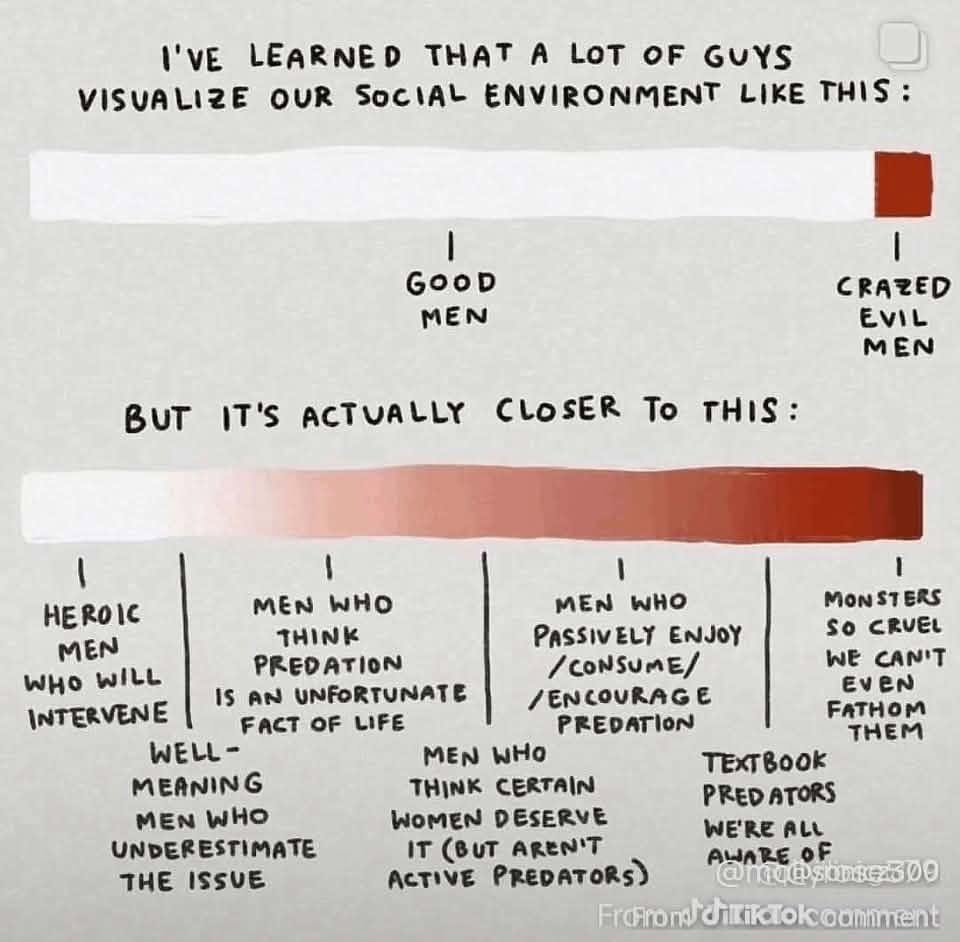








































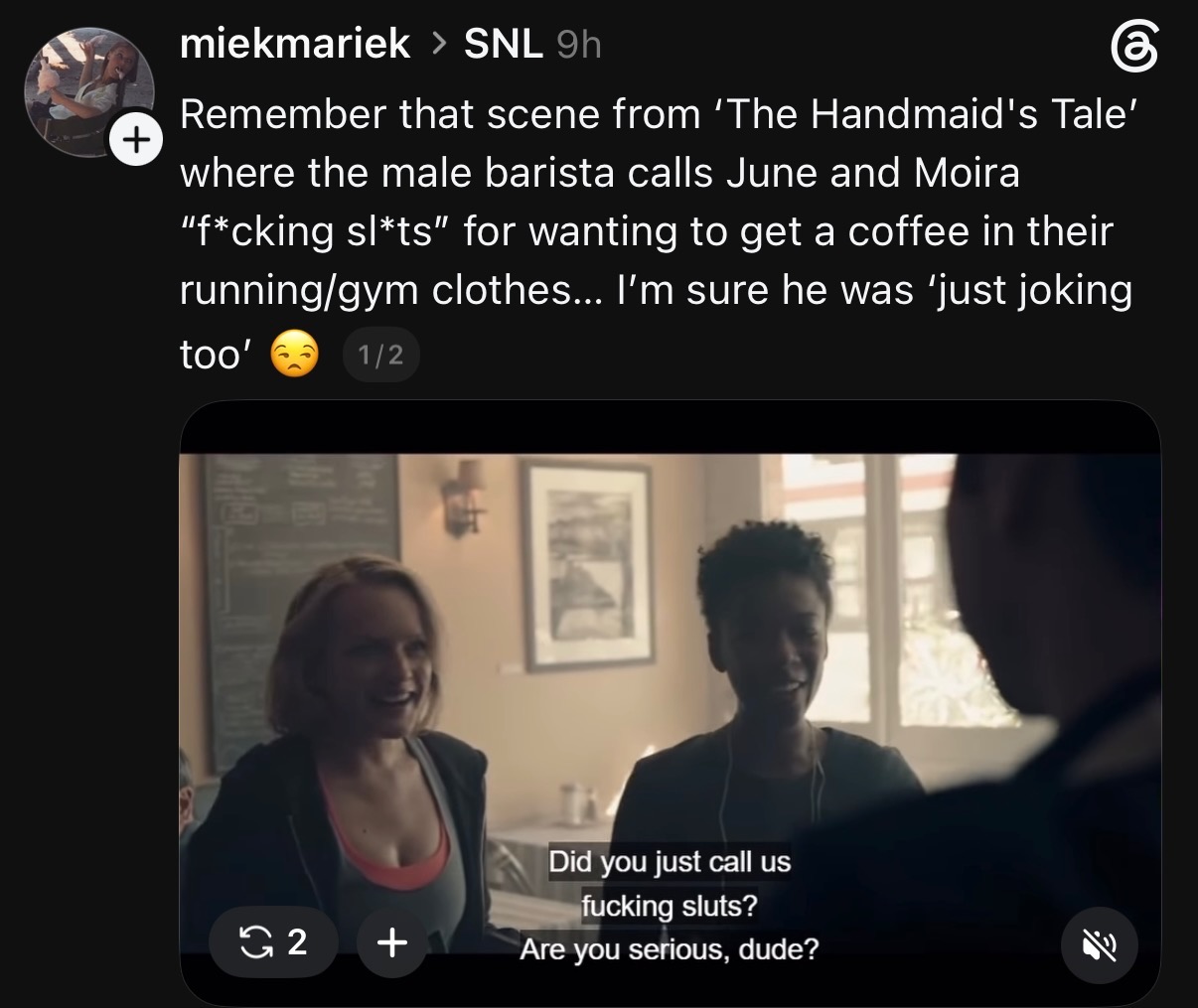
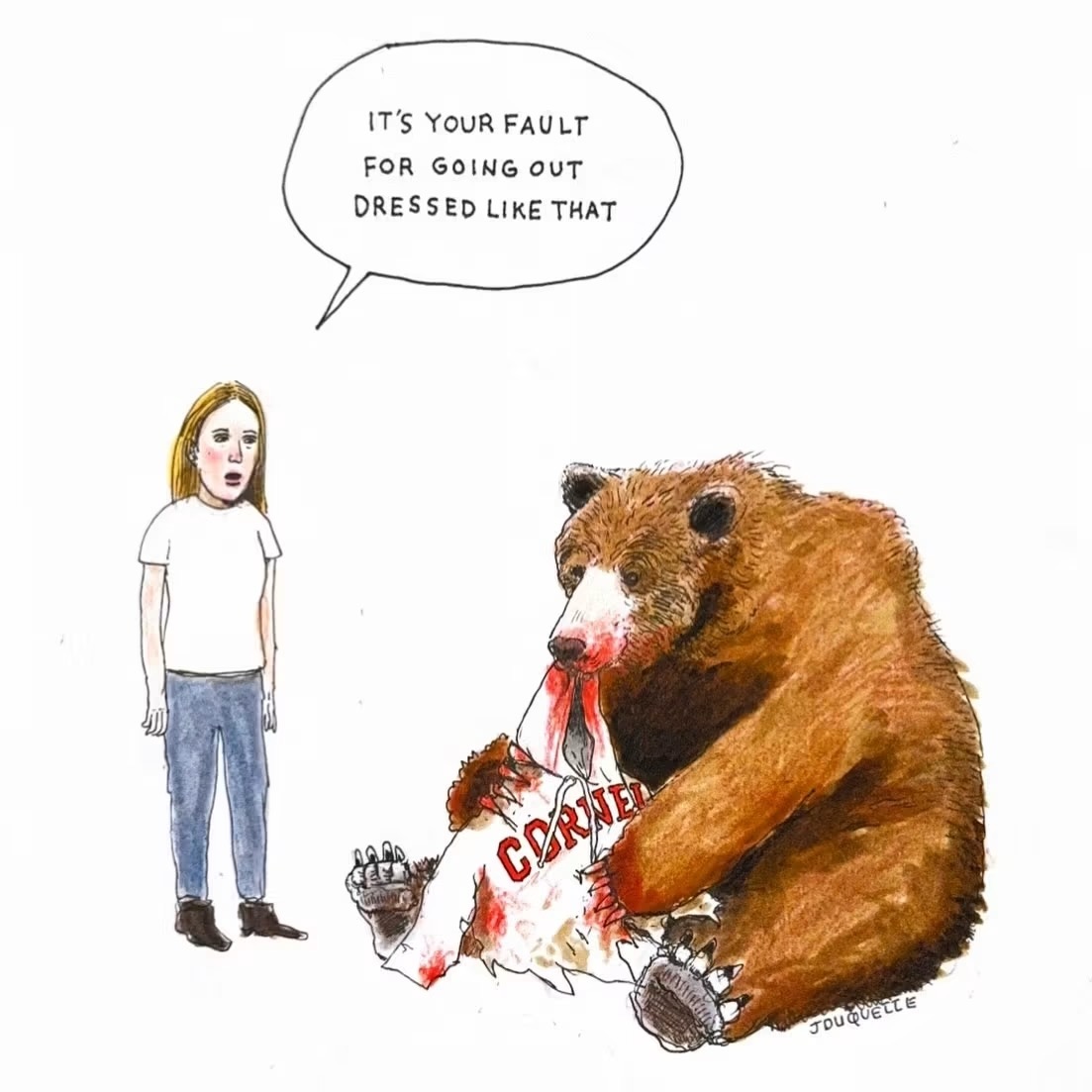
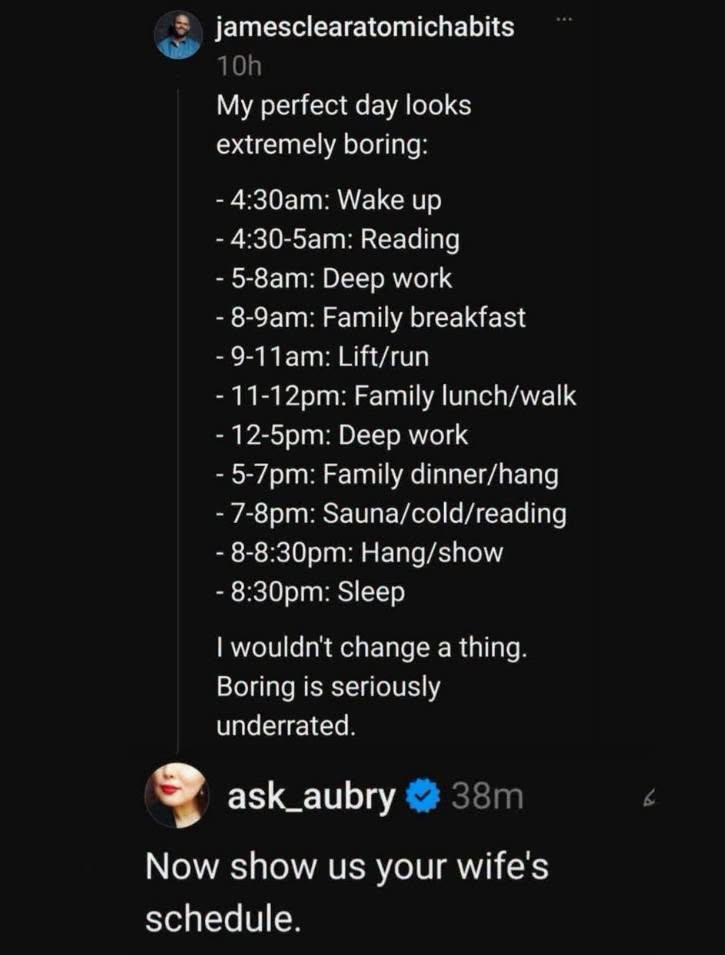
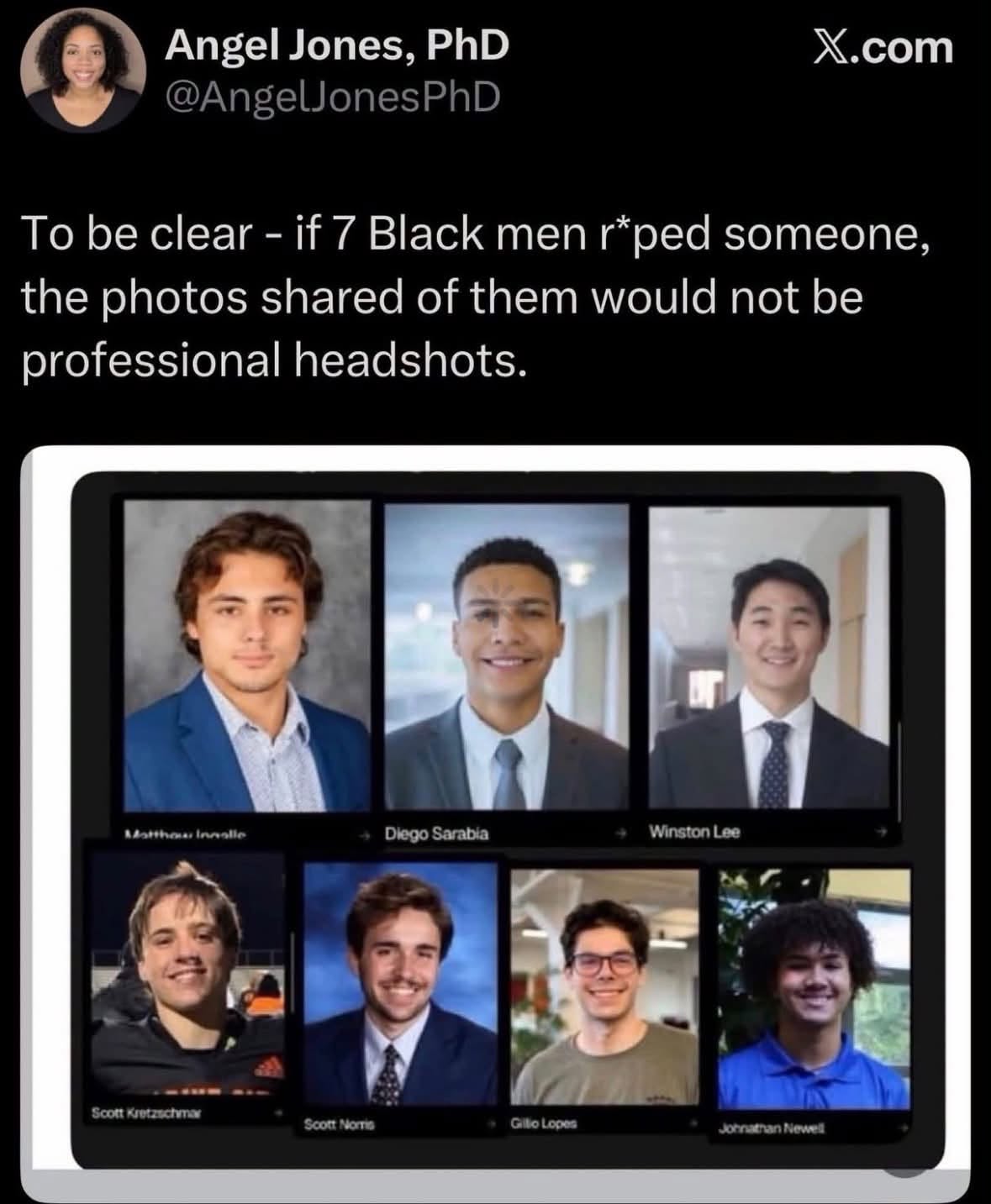
A very telling thing about the way women are viewed, even in the modern age:
































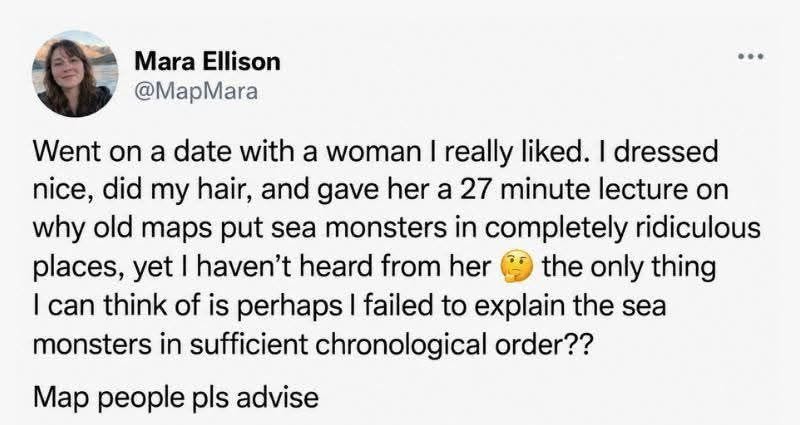
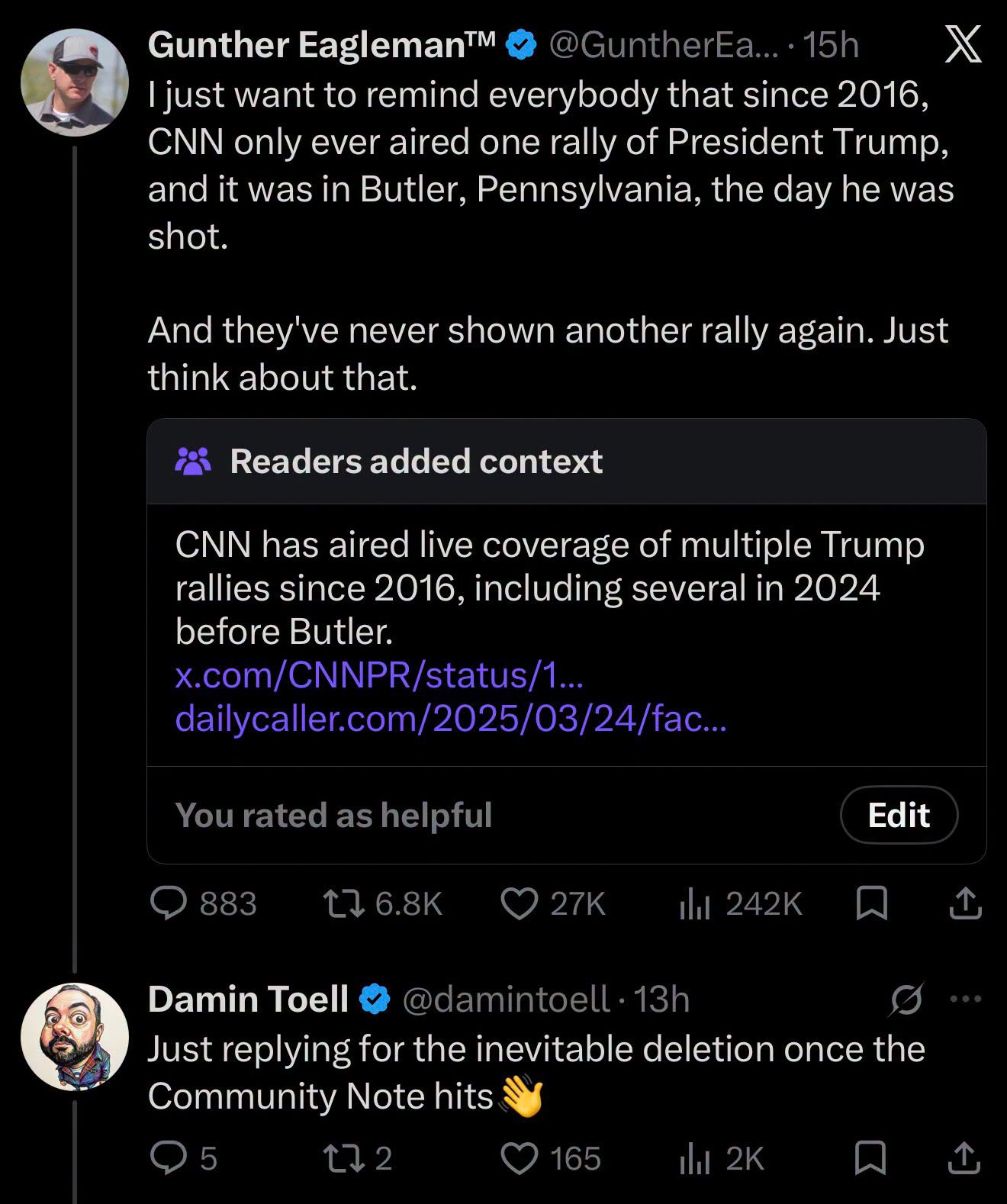















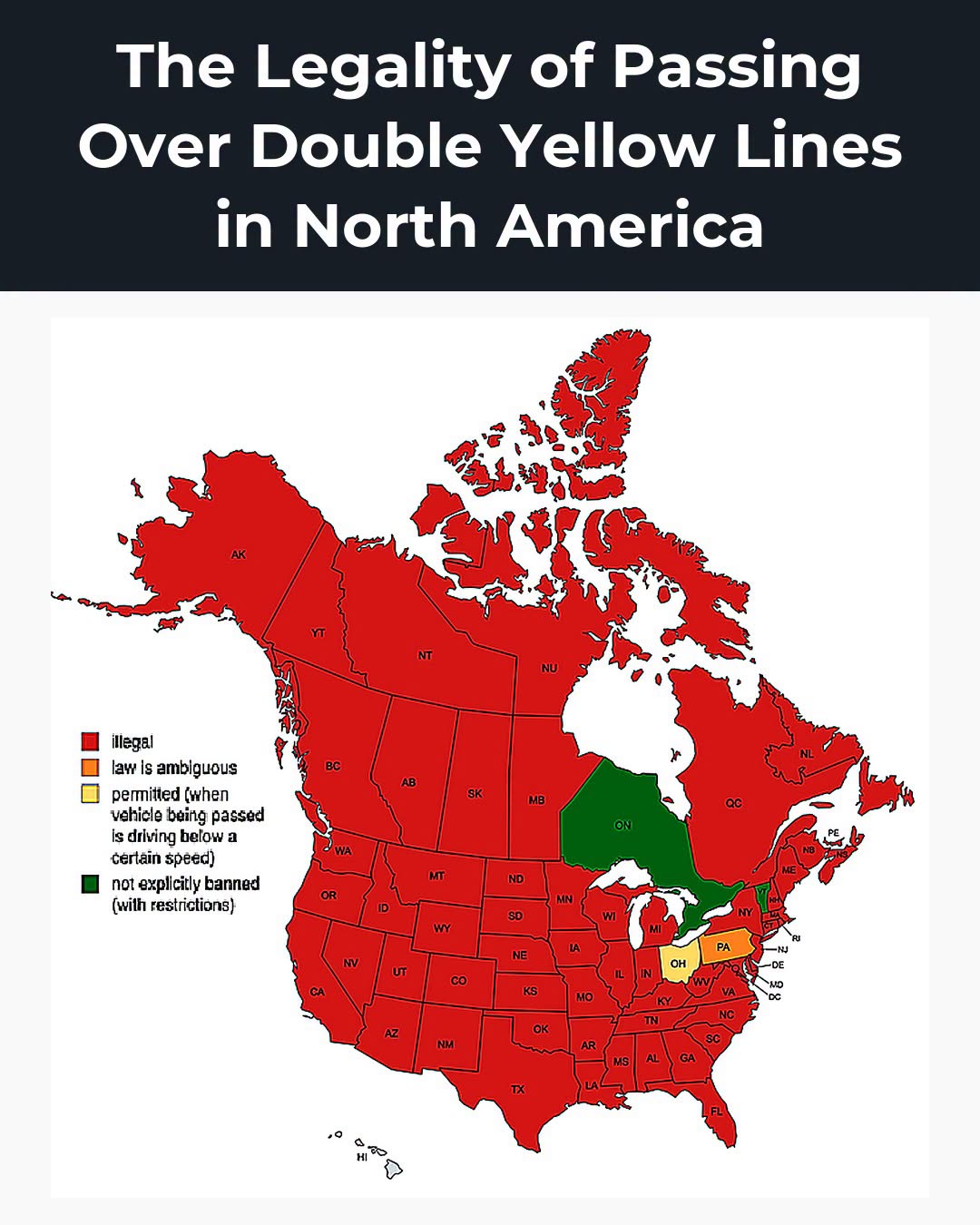













































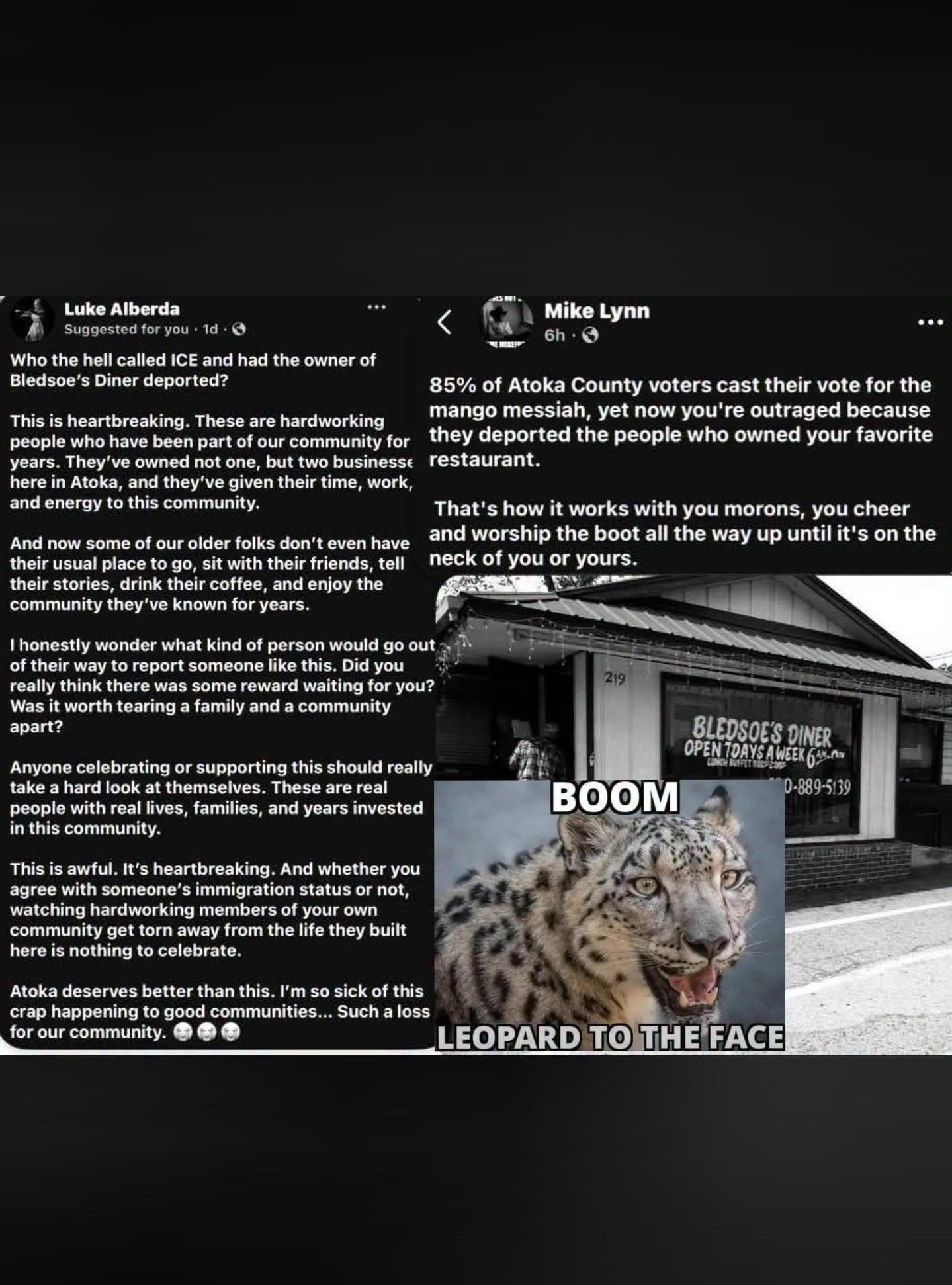















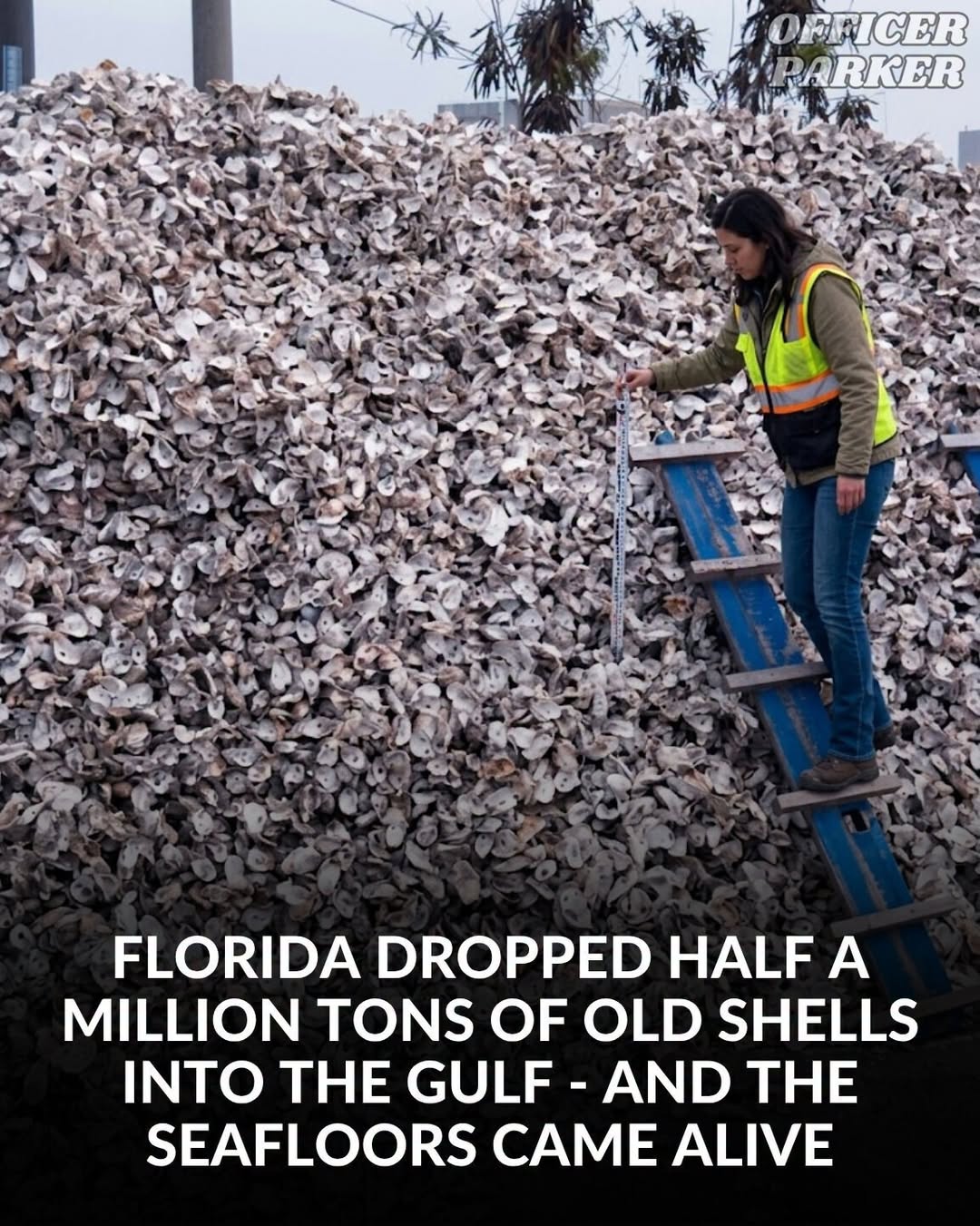
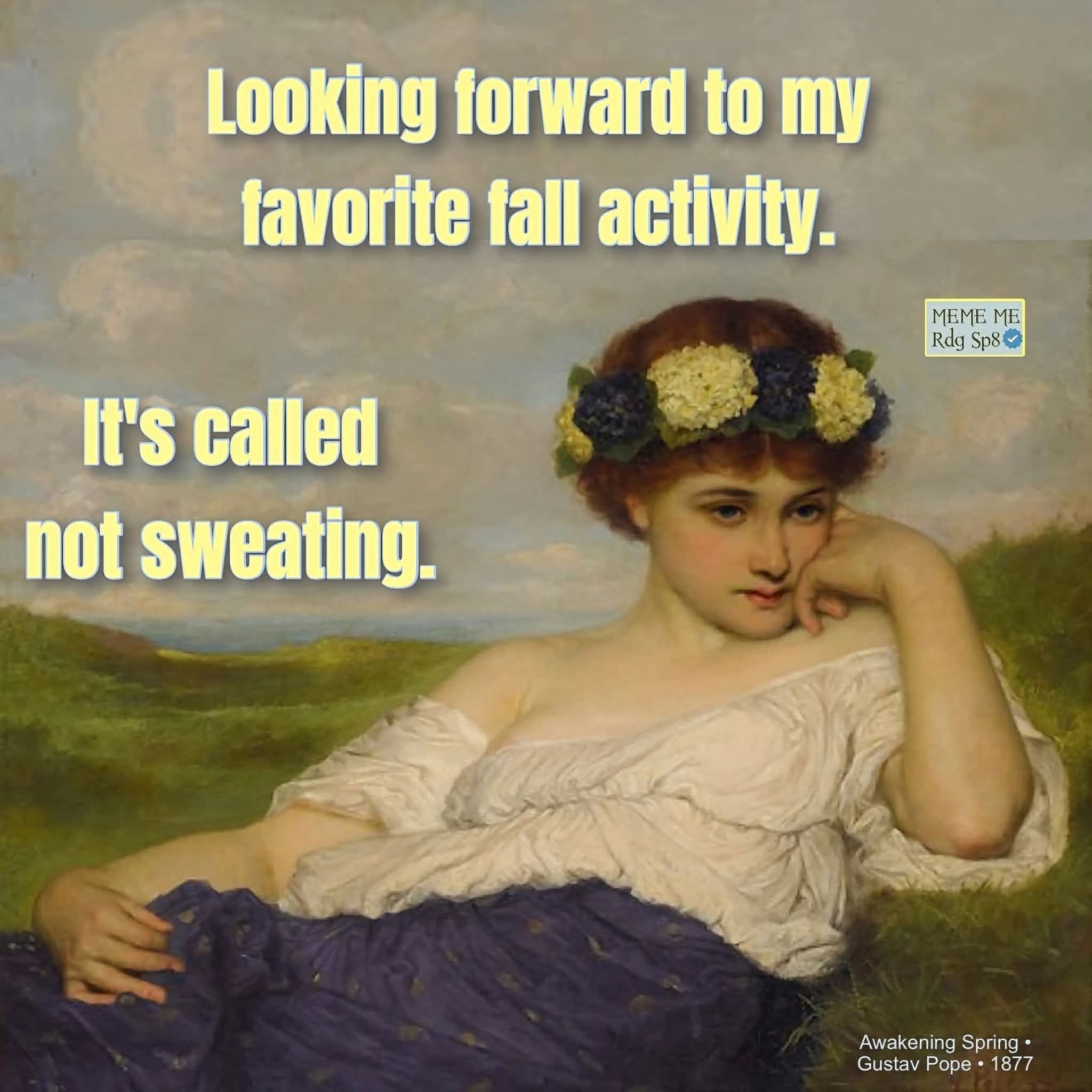










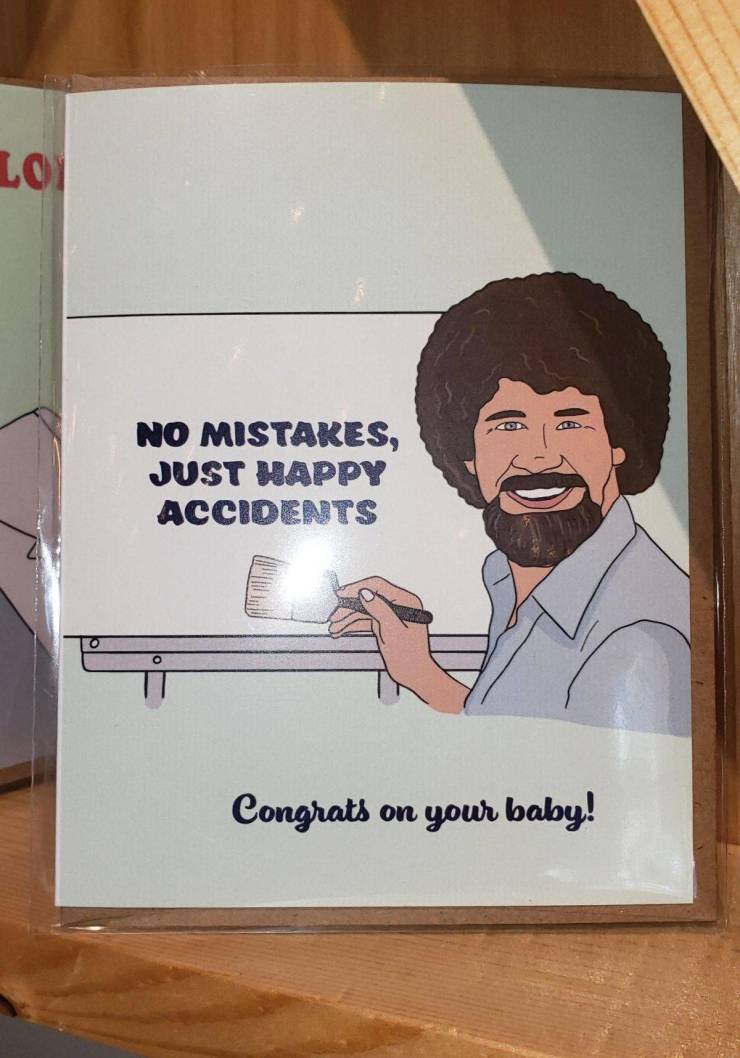























































































































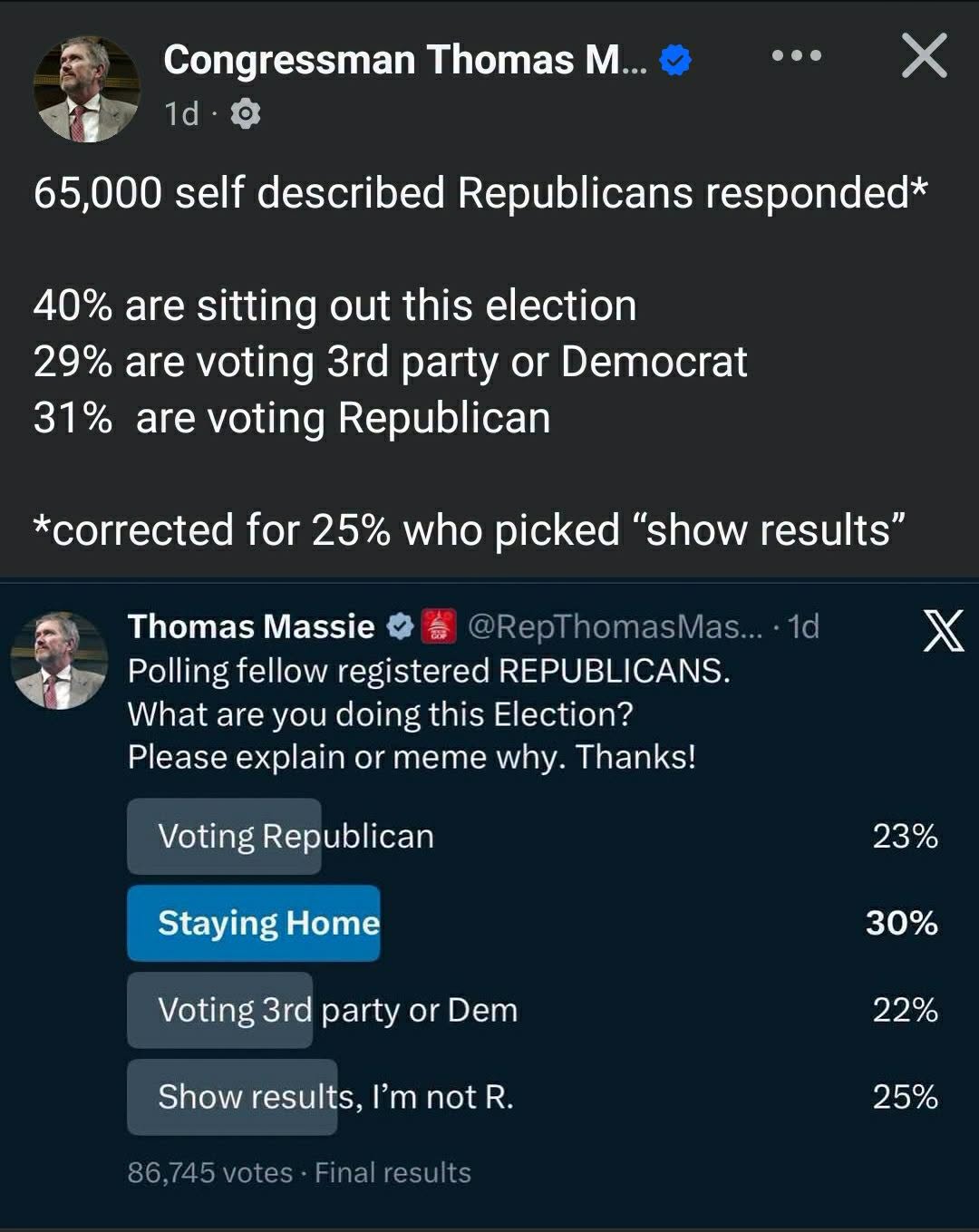

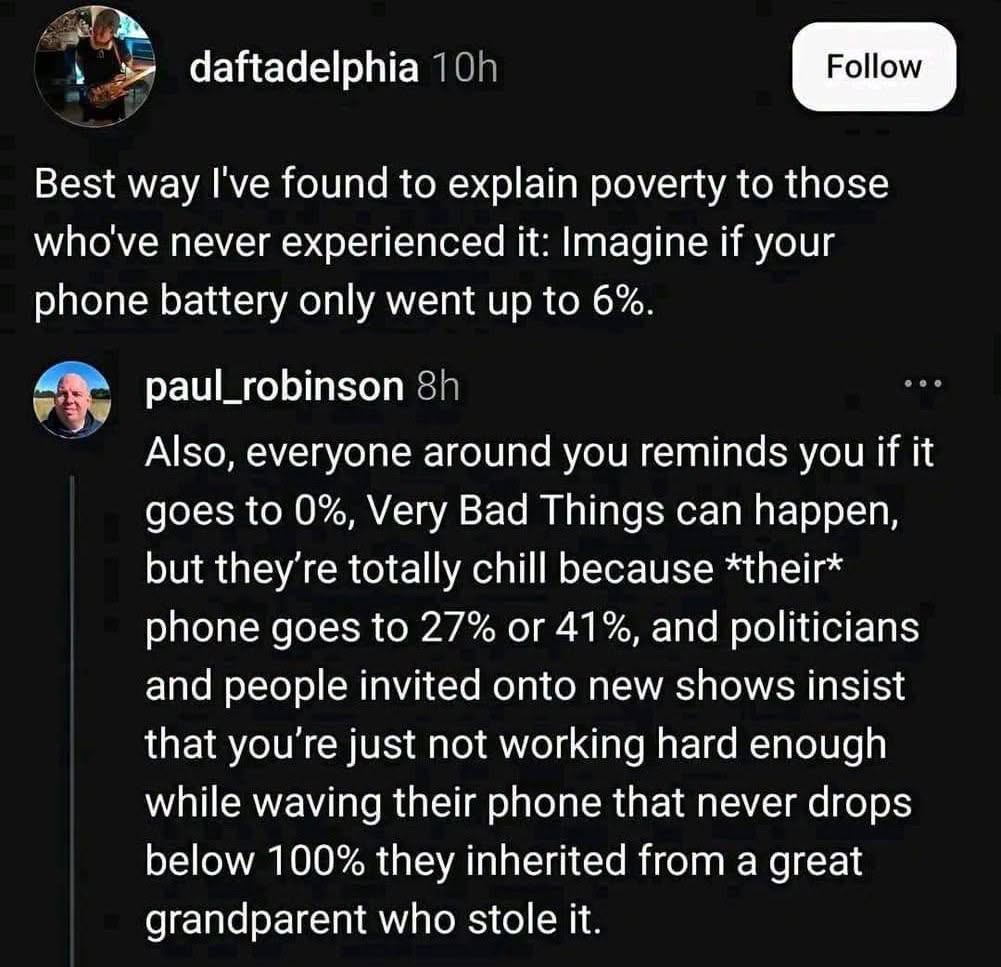

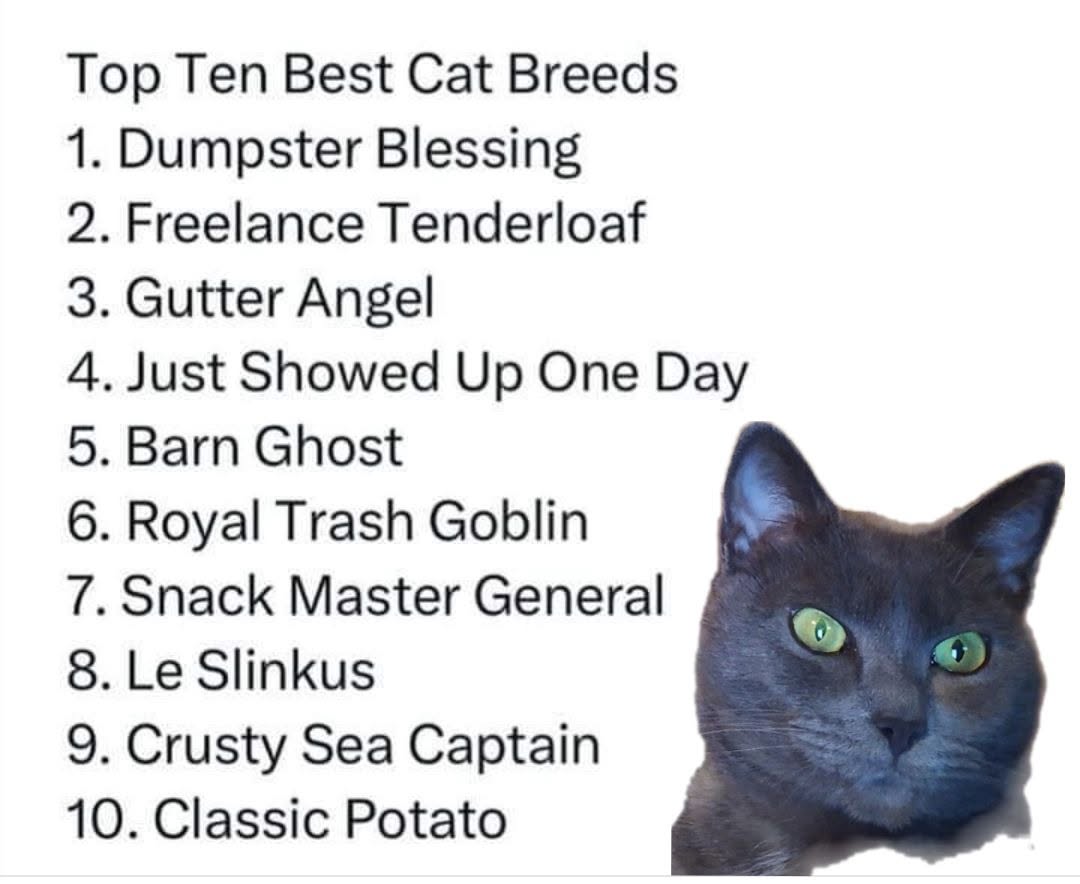




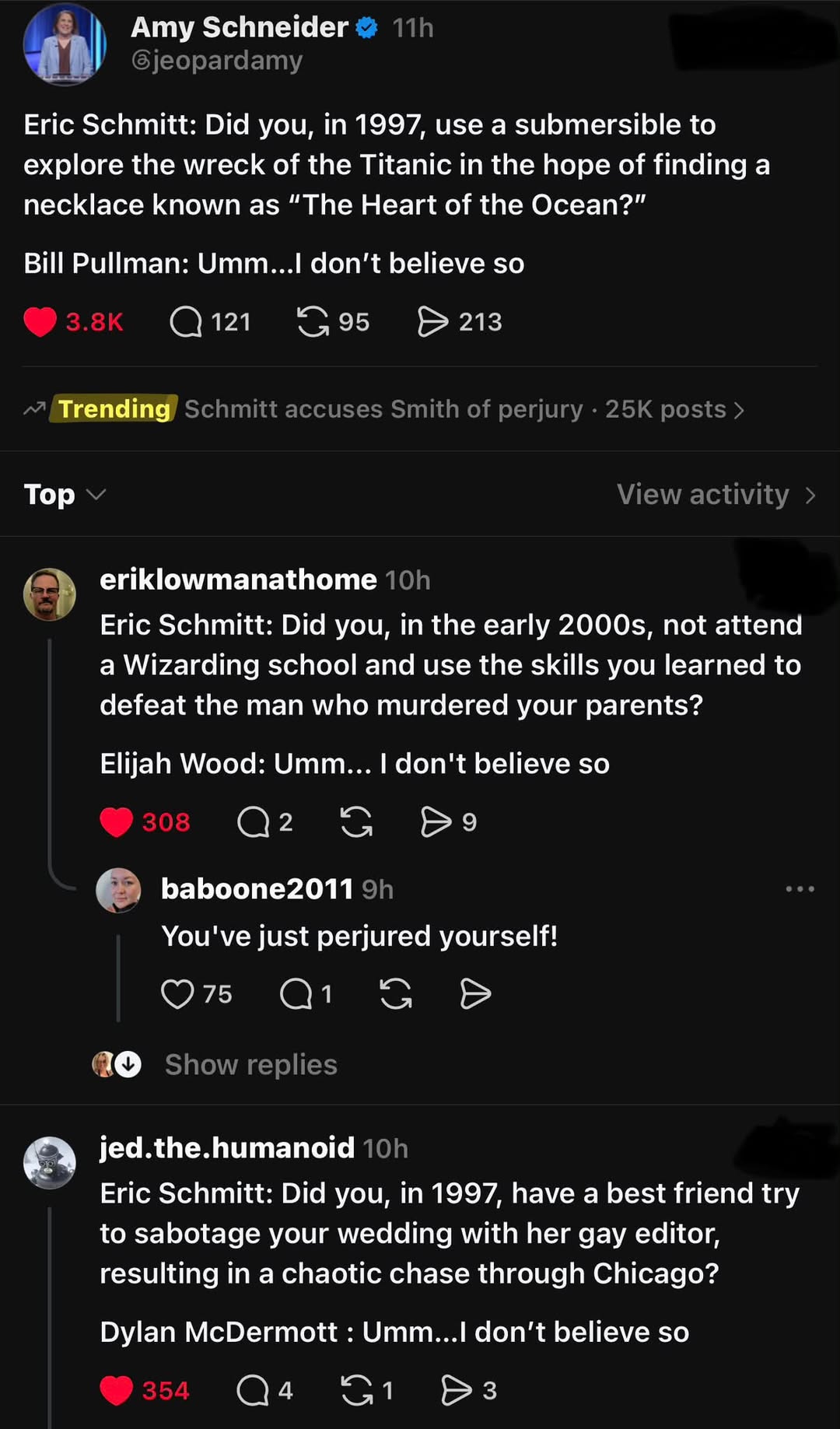




































































Is it just Florida, or do campaign ads for Governor in other states feel like sketches from Tim and Eric Awesome Show, Great Job! or I Think You Should Leave?